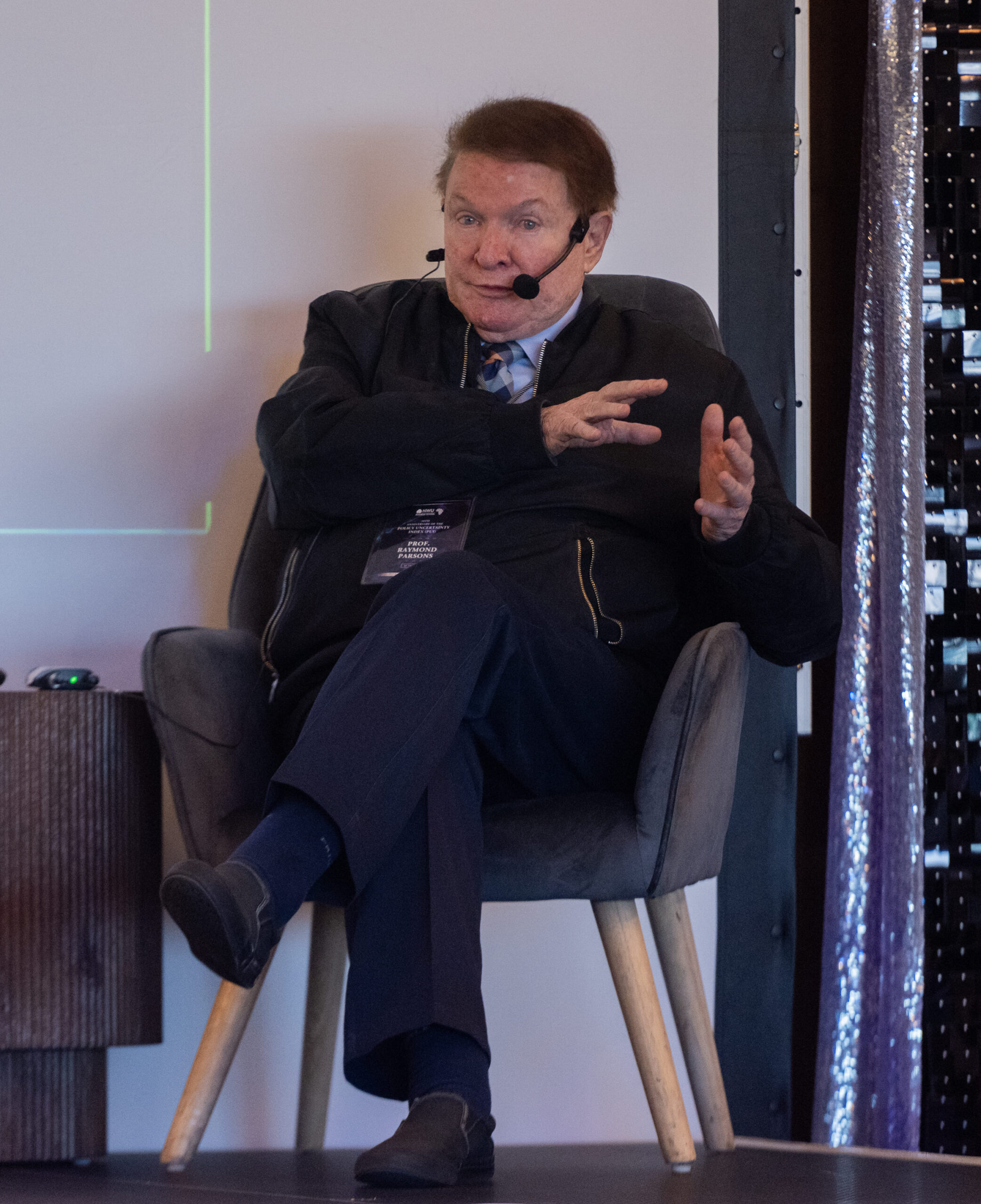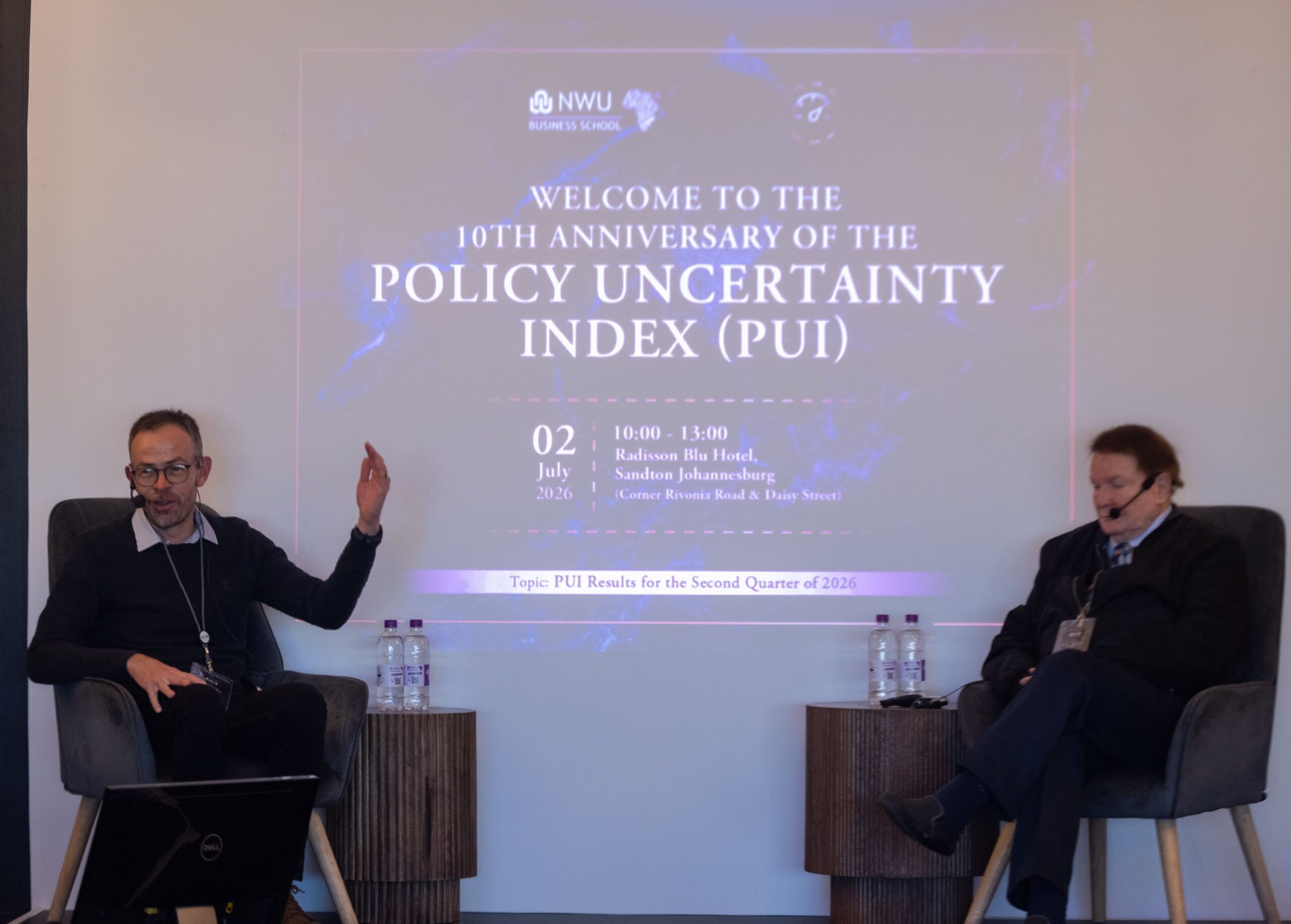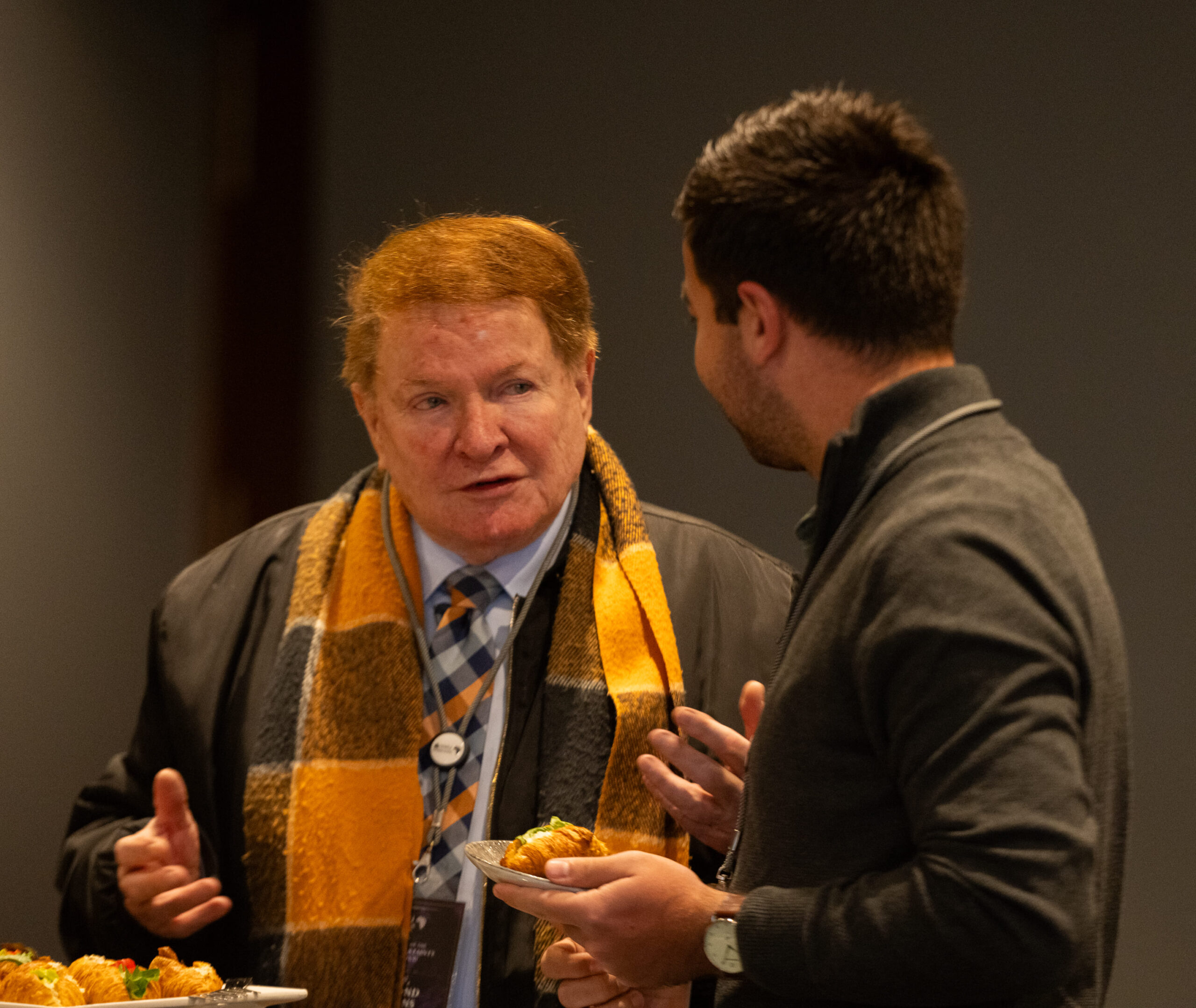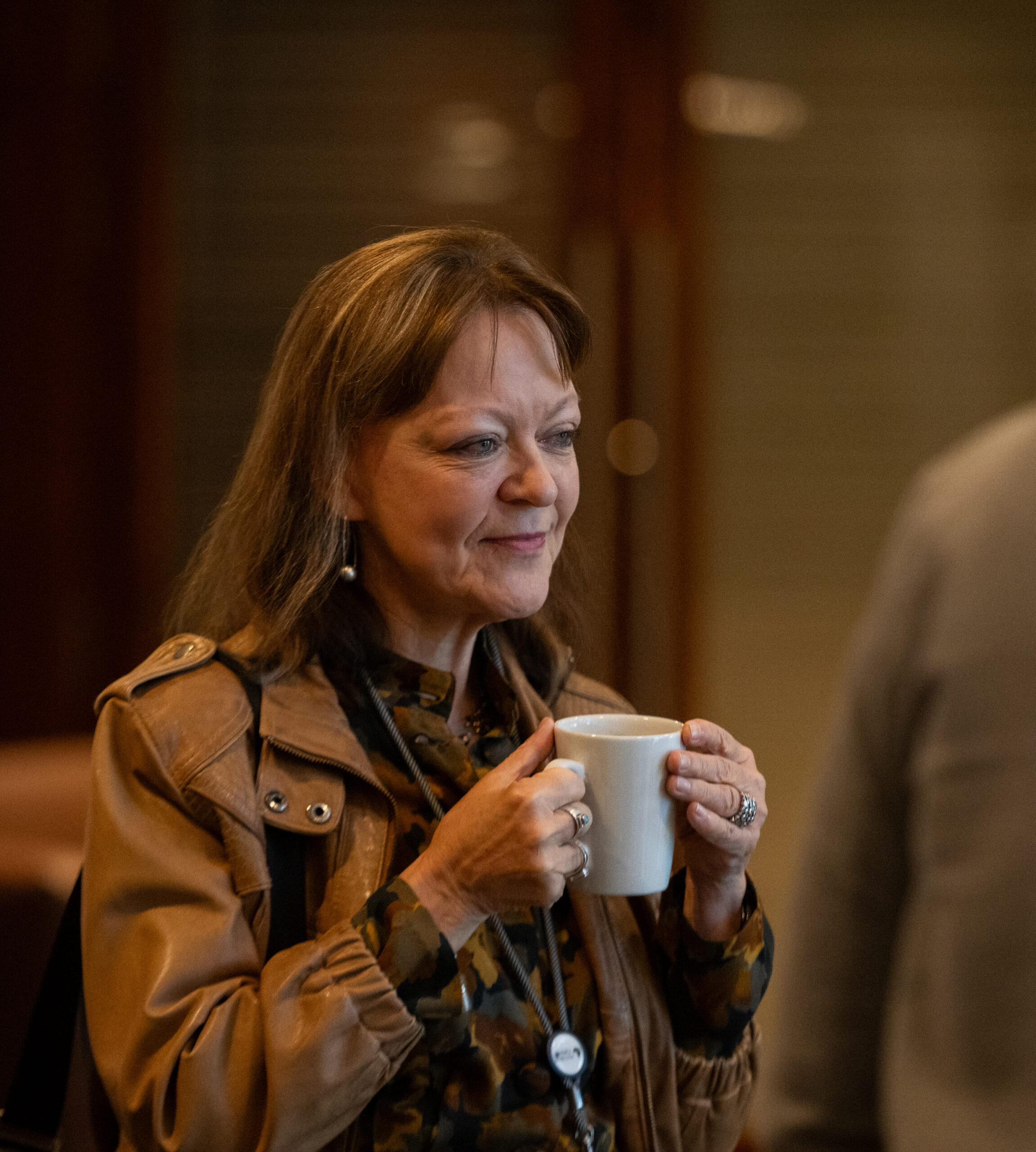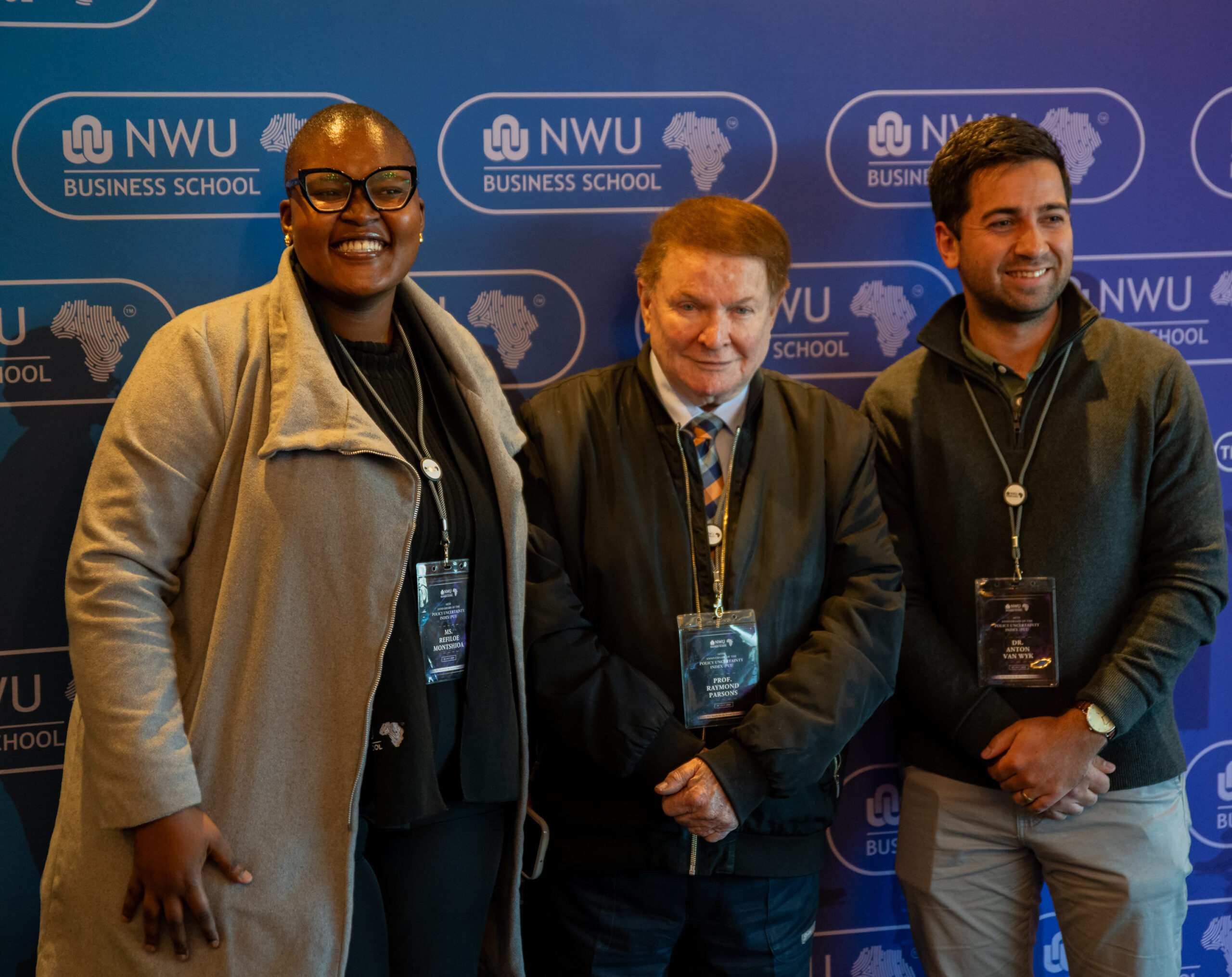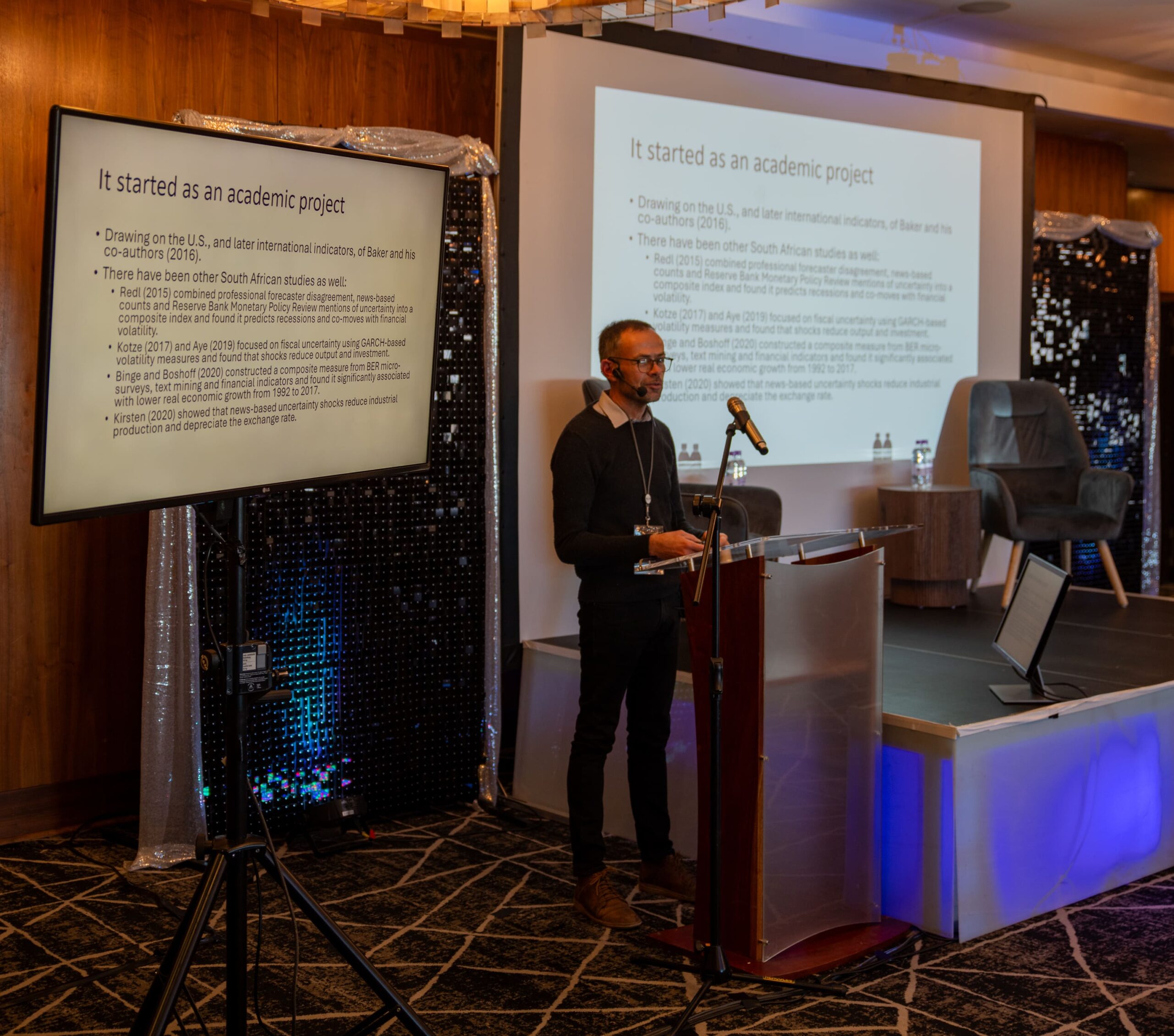
The NWU Business School celebrated the 10th anniversary of its Policy Uncertainty Index (PUI) this morning at the Radisson Blu Hotel in Sandton, Johannesburg, bringing together economists, business leaders, and policymakers to mark a decade of tracking one of South Africa’s most closely watched economic barometers – an initiative founded and led by Prof Raymond Parsons of the NWU Business School.
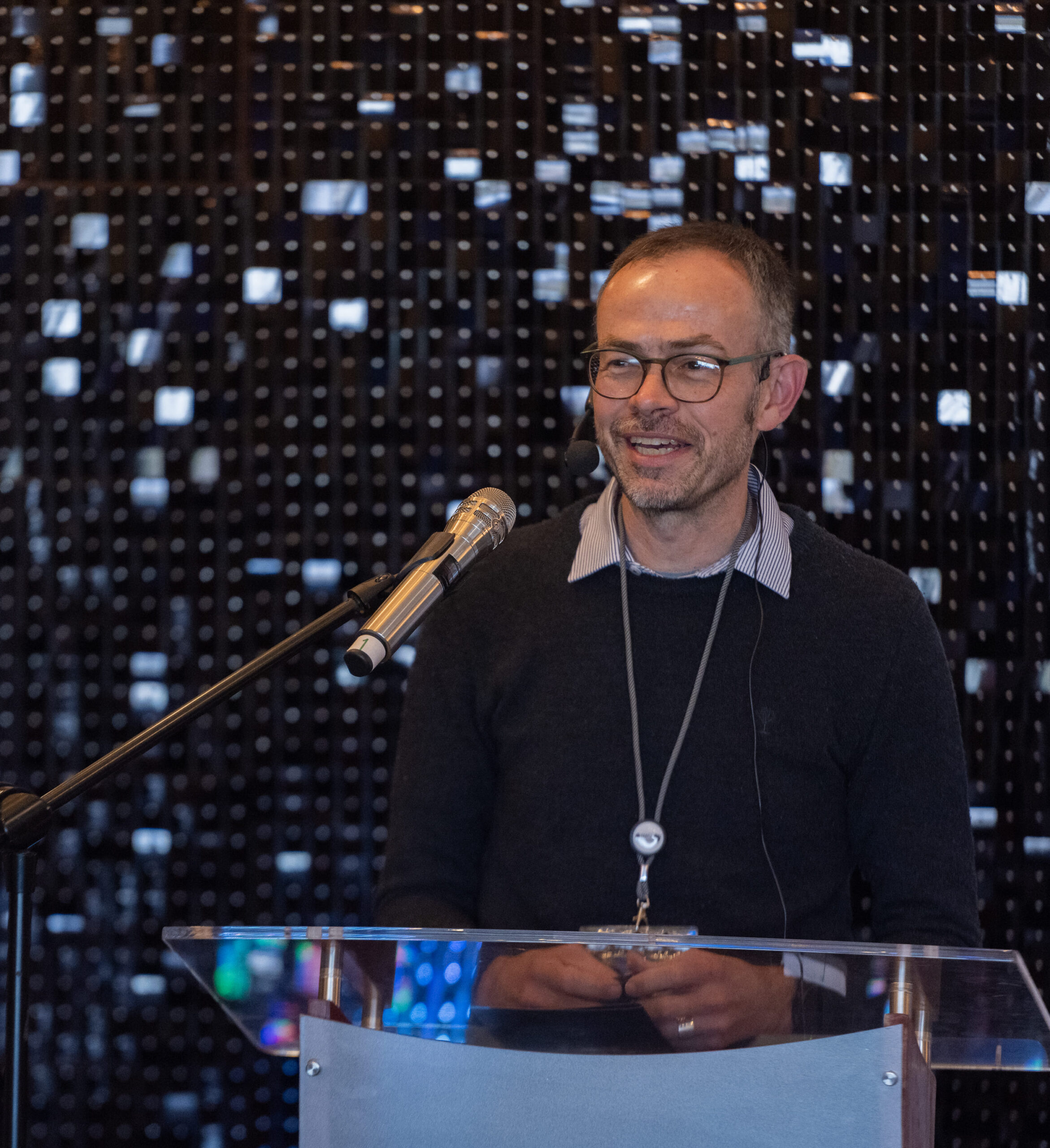
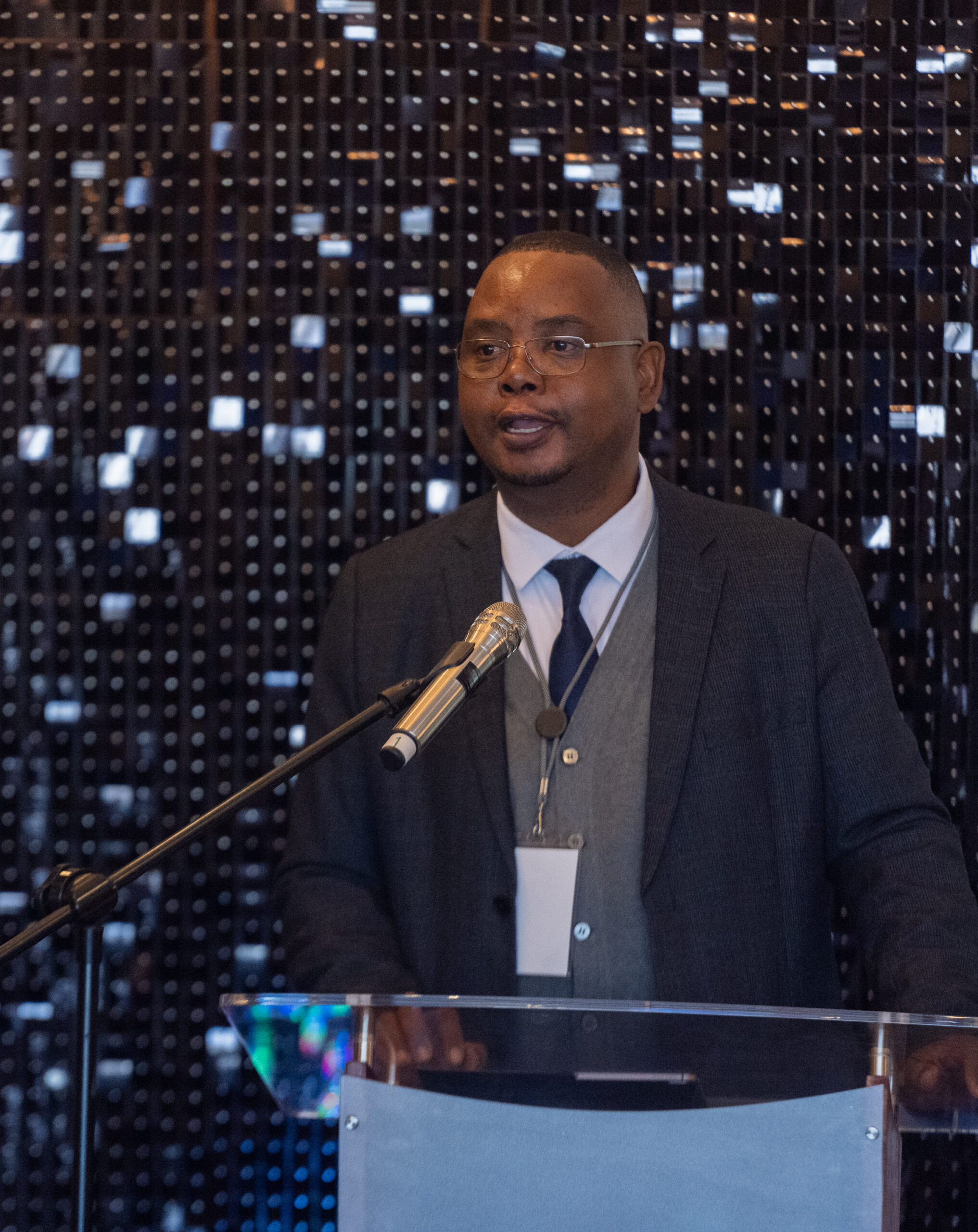
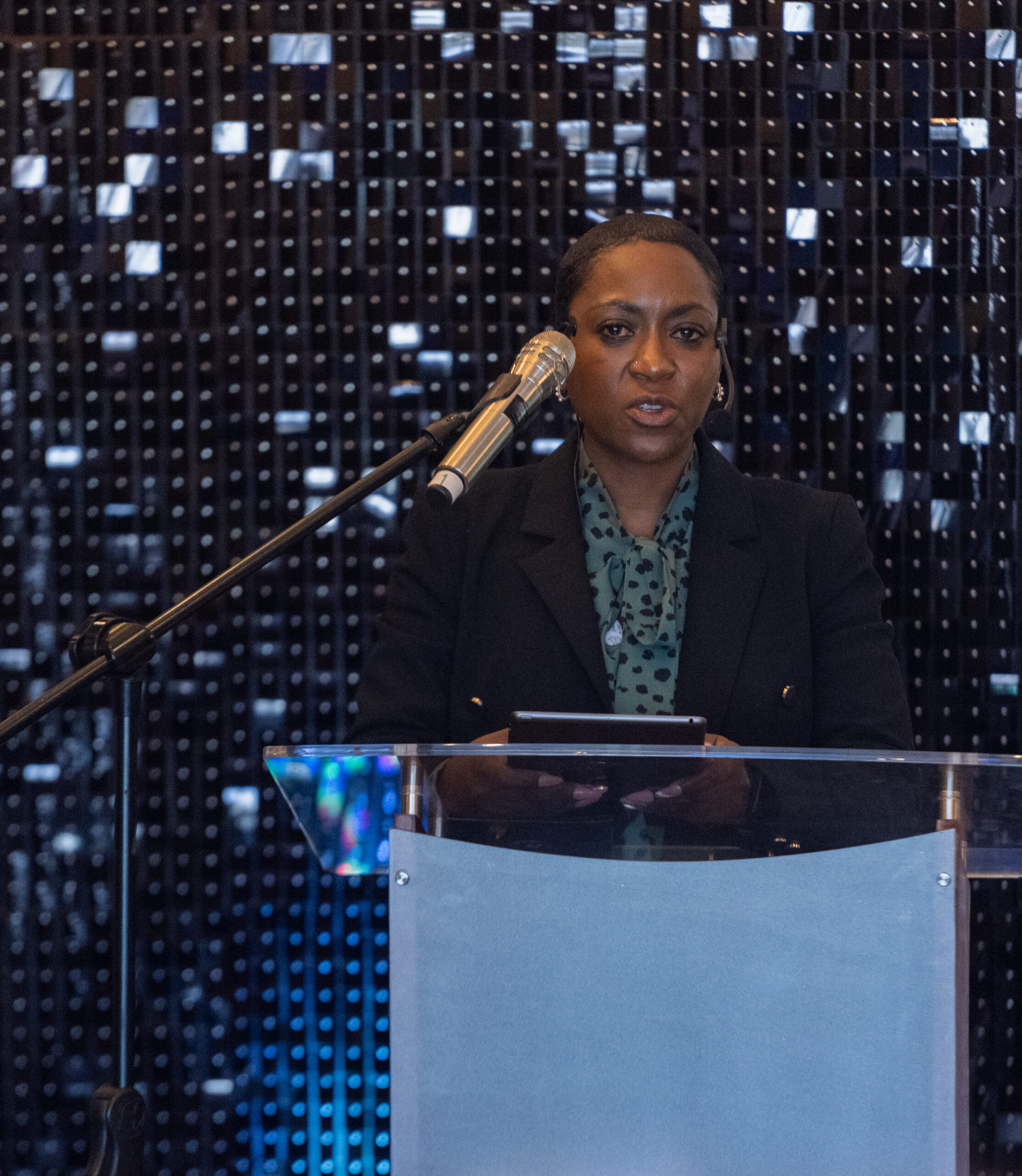
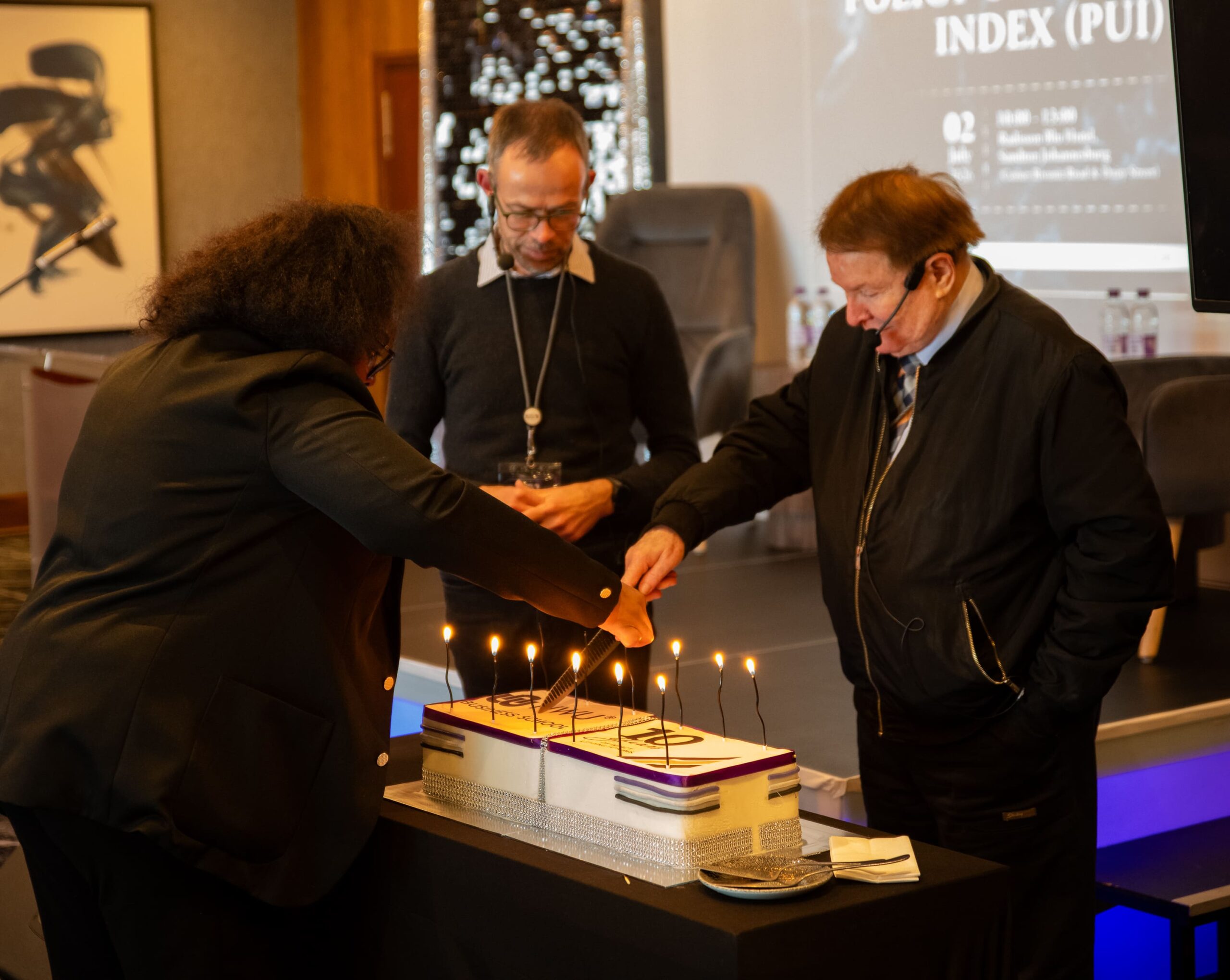
The event opened with remarks from Prof Mabutho Sibanda, Executive Dean of the NWU Faculty of Economic and Management Sciences, followed by a commemorative cake-cutting to honour the milestone. Guided by Programme Director Angeline Marokoane, the morning’s programme also featured Prof Waldo Krugell, Professor in NWU’s School of Economic Sciences on the Potchefstroom campus, and Wandile Sihlobo, South Africa’s Presidential Envoy on Agriculture and Land and Chief Economist of the Agricultural Business Chamber of South Africa (Agbiz), before Prof Parsons closed the session with a look back at the index’s decade-long journey and its results for the second quarter of 2026.
The PUI was launched at a media conference in Johannesburg in February 2016, giving South African decision-makers better insight into how policy uncertainty affects the economy. Prof Parsons, who has led the initiative from the outset, developed the index in response to how frequently South Africa’s economic assessments referenced policy uncertainty, drawing on similar tools already used in the United States, United Kingdom, Germany, France, India and China. The index is a joint project between the NWU School of Business and Governance and the School of Economics, combining a news-based measure of uncertainty coverage, a survey of leading economists, and input from the Bureau for Economic Research at Stellenbosch University on the policy constraints manufacturers face. Over the past ten years, the PUI has tracked the ebb and flow of investor and business sentiment through pivotal moments in South Africa’s recent history – from the 2015 finance minister dismissal known as “Nenegate,” to the optimism of “Ramaphoria” in 2018, to the shocks of the COVID-19 pandemic.
Prof Parsons, also an Extraordinary Professor at the University of the Western Cape’s Faculty of Economics and Management Sciences, has served on the board of the South African Reserve Bank and holds honorary doctorates from Nelson Mandela University and North-West University. His quarterly PUI commentary has become a fixture in South African economic reporting, tracking the index’s swings – from a record high of 81 in the third quarter of 2025 to a marked easing to 64.9 by year-end, before rising again amid global energy-market shocks in the first quarter of 2026.
The event also drew on the expertise of two other distinguished speakers. Prof Sibanda holds a PhD in Finance and is a full professor at the University of KwaZulu-Natal’s School of Commerce, where he has authored more than 80 accredited publications and supervised 24 doctoral candidates, and currently serves as President of the South African Commerce Deans Association. Prof Krugell’s research interests span macro- and microeconomic issues affecting South African households and businesses. Sihlobo, author of three books on South African agriculture, also serves on President Cyril Ramaphosa’s Presidential Economic Advisory Council.
In a short video, Prof Parsons explains the importance of the PUI, its background, and the results for the second quarter of 2026: https://www.youtube.com/watch?v=u1e8CZkzuFU
For ten years, the PUI has given South Africa a rare, consistent lens on the policy environment shaping business and investment decisions – a tool that has grown from a bold idea into an indispensable reference point for economists, policymakers, and the private sector alike. Its longevity is a tribute to Prof Parsons’ vision and steady stewardship, and to the sustained rigour of the NWU team behind it. As the index enters its second decade, it does so with the same purpose that first inspired it: helping South Africa navigate uncertainty with clarity and confidence.